Dietary supplements - what do you need to know?
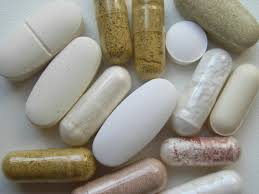
The majority of adults now take one or more dietary supplements, either daily or from time to time. Today’s dietary supplements include vitamins, minerals, herbs and botanical ingredients, amino acids, enzymes and many other products. Dietary supplements come in a variety of forms: traditional tablets, capsules and powders, as well as drinks and energy bars. Popular supplements include vitamin D and E.
Effectiveness
If you don’t eat a nutritious and varied diet, certain supplements can help you get enough nutrients. However, supplements can’t replace the variety of foods that are important for a healthy eating pattern. Scientific evidence shows that some dietary supplements are beneficial for overall health and for managing certain health problems. Calcium and vitamin D, for example, are important for keeping bones strong and reducing bone loss, folic acid reduces the risk of certain birth defects, and omega‑3 fatty acids from fish oils can help some people with heart disease. Other supplements need more research to determine their value.
Safety and risks
Many supplements contain active ingredients that can have strong effects in the body. Always be alert to the possibility of unexpected side effects, especially when you start using a new product.
Supplements are most likely to cause side effects or harm when they are used instead of prescribed medicines, or when many supplements are taken in combination. Some supplements can increase the risk of bleeding or, if taken before or after surgery, can affect how a person responds to anesthesia.
Dietary supplements can also interact with certain medicines in ways that may cause problems. Here are just a few examples:
- Vitamin K can reduce the ability of the blood thinner Coumadin to prevent blood clotting;
- St. John’s wort can speed up the breakdown of many medicines (including antidepressants and birth control pills) and thereby reduce the effectiveness of these medicines;
- Antioxidant supplements, such as vitamins C and E, can reduce the effectiveness of some types of cancer chemotherapy.
Keep in mind that some ingredients in dietary supplements are being added to a growing number of foods, including breakfast cereals and drinks. As a result, you may be getting more of these ingredients than you realize, and more is not always better. Taking more than you need is always more expensive and can also increase the risk of side effects. For example, getting too much vitamin A can cause headaches and liver damage, reduce bone strength and cause birth defects. Excess iron causes nausea and vomiting and can damage the liver and other organs.
Be cautious about taking dietary supplements if you are pregnant or breastfeeding. Also be careful about giving them to a child. Most dietary supplements have not been well tested for safety in pregnant women, breastfeeding mothers or children. If you suspect you have had a serious reaction to a dietary supplement, tell your healthcare provider.
Quality
Dietary supplements are complex products. Several independent organizations offer quality testing and allow products that pass these tests to display their quality seals. These seals guarantee that the product has been manufactured correctly, contains the ingredients listed on the label and does not contain harmful levels of contaminants. These seals do not guarantee that a product is safe or effective.
Keep the following in mind
Don’t decide to take dietary supplements to treat a health condition that you have diagnosed yourself without consulting a healthcare provider.
Don’t take supplements instead of, or together with, prescribed medicines without your healthcare provider’s approval.
Contact your healthcare provider about the supplements you take if you are scheduled to undergo any kind of surgical procedure.
The term ‘natural’ does not always mean safe. The safety of a supplement depends on many things, such as its chemical composition, how it works in the body, how it is prepared and the dose used. Certain herbs (for example, comfrey and kava) can damage the liver.
Before you take a dietary supplement, ask yourself these questions:
- What are the potential health benefits of this dietary supplement?
- What are the possible benefits for me?
- Does this product have any safety risks?
- What is the right dose to take?
- How, when and for how long should I take it?
If you don’t know the answers to these questions, use the information sources in this brochure and talk with your healthcare providers. The FDA offers a helpful form, “My Medicine Record”, for recording the medicines and dietary supplements you take, which you can share with your healthcare providers.
Talk with your healthcare provider
Let your healthcare providers (including doctors, pharmacists and dietitians) know which dietary supplements you use so you can discuss what’s best for your overall health. Your healthcare provider can help you determine which supplements might be valuable for you.
Keep a record of the supplements you use in one place, just as you do for all your medicines. Note the name of the specific product, the dose you take, how often you take it and the reason you use the product. You can also take the products you use with you when you see your healthcare provider.
Federal regulation of dietary supplements
Dietary supplements are products intended to supplement the diet. They are not medicines and therefore are not meant to treat, diagnose, relieve, prevent or cure diseases. In the U.S., the FDA is the federal agency that oversees both dietary supplements and medicines.
In general, FDA regulations for dietary supplements differ from those for prescription or over‑the‑counter medicines. Unlike medicines, which must be approved by the FDA before they can be marketed, dietary supplements do not have to be reviewed or approved by the FDA beforehand. Although the supplement company is responsible for having evidence that its products are safe and that the labels are truthful and not misleading, they do not have to provide that evidence to the FDA before the product is marketed.
Labels for dietary supplements may include certain types of health claims. Manufacturers may, for example, say that a dietary supplement addresses a nutrient deficiency, supports health or is linked to a particular body function (such as immunity or heart health).
Write a reply
Related Posts
Stripchat complete guide 2026 – the ultimate handbook for new users, reviews, tips, safety & costs
1. What is Stripchat? Stripchat is an international live entertainment platform focused on interact ...

What’s the difference between the Dyson V8, Dyson V10 and Dyson V11 cordless vacuum?
Dyson has long been the king of the cordless vacuum cleaner, really ever since the DC16 was launched ...

Top 10 best vacuum cleaners of 2024
Everyone needs a vacuum cleaner at home, whether you live in a big or small place. A vacuum cleaner ...

Gardena Sileno models: City, Life and Sileno+ differences
Gardena was founded in 1961 in Ulm (Germany) and is part of Husqvarna Group. Since then, the brand h ...