Buying an electric bike: what to look for?
What is the best electric bike for you? What should you look out for if you want to buy or lease an electric bike? The range of brands and models is now enormous, so a bit of help making the right choice is very welcome. In this article we list what you need to pay attention to and what choices you have to make. It’s also smart to do plenty of test rides and gather lots of information in advance when you’re planning to buy an electric bike or e-bike.
There are six key questions you should ask and answer for yourself to make buying the right electric bike easier:
1. What do you want to use the e-bike for?
The e-bike that suits you best depends on how you’re going to use it. If you cycle to work every day, you need different specifications than when you mainly want a bike for leisure rides.
So think carefully in advance about how you’ll use the e-bike:
- Recreational use with long leisure rides of more than 40 kilometres, where a sporty riding position is usually desirable
- Daily commuting with longer distances, where a sturdy and functional e-bike is preferable
- Sporty use on touring routes or even mountain biking and road cycling (so an e-mountain bike or e-racing bike)
- Short trips with frequent use for various purposes, for example to do your shopping
- Transporting children, very functional and frequent everyday use
- For school use by children who have to travel longer distances, a robust and sturdy e-bike for kids
2. What price range are you looking at, what is your budget?
Electric bikes come in all price ranges, from budget to high-end. But price usually goes hand in hand with quality. The price of an electric bike is determined, among other things, by the battery range, the battery capacity, the type of motor, the quality of the components, the country of manufacture and the brand. These days, as an employee you can often make use of a company bike plan for electric bikes, and leasing an e-bike is also possible. Most people, however, still choose to buy an e-bike themselves. So decide for yourself what your approximate budget is:
- Less than 1500 euro (tip: Lidl-shop)
- Between 1500 and 2000 euro
- Between 2000 and 2500 euro
- Between 2500 and 3500 euro
- More than 3500 euro
3. How many kilometres do you want to ride on a full battery, what range do you need?
Not every battery is the same, but every electric bike has one. The battery is therefore a crucial element when choosing an electric bike. Range and capacity (measured in Wh) are key features that distinguish one battery from another. The higher the Wh capacity, the greater the range. So the more capacity, the more kilometres you can ride without recharging – but often also the higher the price. Just like with cars, a manufacturer specifies a theoretical maximum range. In practice, the range also depends on conditions such as wind, flat or hilly terrain and your riding style. If you ride a lot in eco mode, your range will of course be higher. If you’re not yet sure how many kilometres you really need, opt for a higher range. In bike shops the range is often categorised as follows:
- Range of 30 - 50 kilometres
- Range of 50 - 75 kilometres
- Range of 75 - 100 kilometres
- Range of 100 - 125 kilometres
- Range of more than 125 kilometres
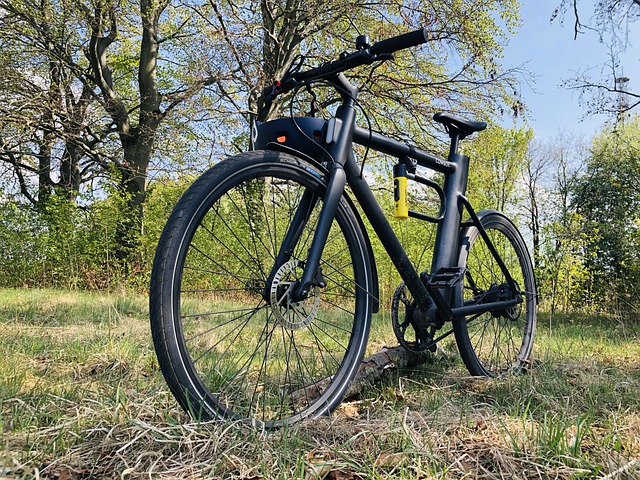
4. Where should the motor be positioned?
There are three possible motor positions on an e-bike: in the front wheel, in the rear wheel or as a mid-drive motor. But how do you know which motor position is best for your situation? Each position has its own pros and cons.
A motor in the middle of the bike contributes to stability, gives powerful pedal assistance and feels closest to a traditional cycling experience. A mid-drive motor does usually make an electric bike heavier.
A front-wheel motor is often a bit quieter than a mid-drive motor and very suitable for flat roads. It is less powerful, and the steering is usually experienced as heavier than with a mid-drive motor. Because it uses a rotation sensor, the assistance feels slightly less natural.
A rear-wheel motor makes for a very pleasant ride, literally like a push in the back. A motor in the rear wheel provides powerful support and a natural riding feel. It does tend to put more stress on the spokes, so you may get loose spokes a bit more often.
So choose an electric bike with one of these motor positions:
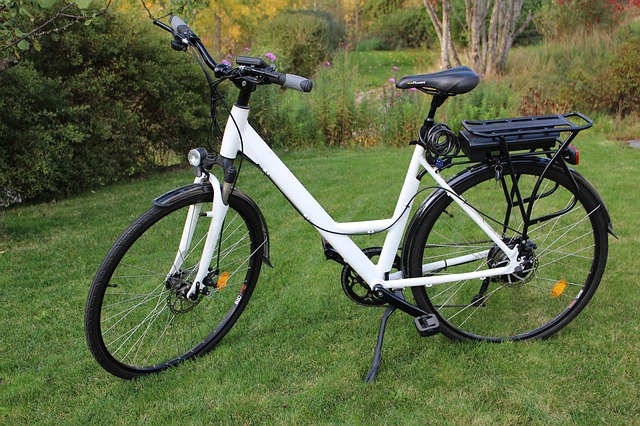
5. Do you want a low step-through or a regular frame?
Within the electric bike segment, a low step-through is a very common request. Especially if you’re a bit older, it’s nice – for men too – to be able to get on and off the bike easily. A low step-through used to be seen mainly as a women’s bike, but there are even brands that only offer low step-through bikes in their range. So in practice it’s a unisex model. An electric bike with a low step-through makes it easy to get on, and just as easy to get off.
- Low step-through
- Regular frame (men/women)
6. Which e-bike brand do you prefer?
You might already have a preference for a particular electric bike brand. There are the well-known names like Gazelle, Stella, Union and Batavus. Some retailers also have their own brands, for example fietsenwinkel.nl sells its own Brinckers brand. And then there are plenty of lesser-known brands such as Dutchebike and Vogue. There’s nothing wrong with those at all, but it may be that you prefer a specific brand.



Besides the six questions above, there are of course other factors that determine which type of e-bike is right for you. Frame size is important, as is the weight of the bike. And is the maximum tow bar nose weight of your car high enough to carry your e-bike on a bike rack? What else should you look for when buying an electric bike?
Types of electric bikes
There are several types of electric bikes for sale. The most common are the electric city bike, the electric cargo bike, electric folding bike and speed pedelec. When people casually talk about an electric bike, they usually mean a regular e-bike, not a speed pedelec or high-speed e-bike.
Electric city bikes, electric folding bikes and electric cargo bikes are 'regular' e-bikes. These bikes have pedal assistance that makes pedalling a bit lighter and easier. Technically, a bike with pedal assistance is simply a bike with a motor that cannot move off or keep going on its own. In other words: pedal assistance only works when you’re actually turning the cranks. Pedal assistance is limited so you can’t go faster than 25 kilometres per hour. With these e-bikes you can ride on the cycle path. You don’t need to buy a yellow moped licence plate or wear a helmet by law.

Speed pedelecs are bikes with pedal assistance where, by putting in some extra effort, you can reach speeds of up to 45 kilometres per hour. Legally, these high-speed e-bikes are classed as mopeds. That means a speed pedelec must have a yellow moped licence plate and you have to follow all traffic rules for mopeds, such as the mandatory wearing of a helmet.
The battery
The battery is a crucial part of an electric bike and largely determines whether you make the right choice (besides ride comfort of course). There are many variables to consider with a battery. And because a battery usually doesn’t last as long as the bike itself (although you can buy a new one), it’s very important to choose a battery that fits your personal needs. When buying an electric bike you have to make a few choices regarding the type of battery:
Battery capacity and power
The most important thing about a battery is its capacity, the amount of energy that determines the range. Capacity largely determines how far you can ride. The stated range indicates how many kilometres you can ride under ideal conditions with one fully charged battery. Do you often ride long distances? Then choose a battery with a high capacity. If you mainly ride short distances, you can go for a smaller battery. Batteries with a smaller capacity are usually cheaper than those with a larger capacity.
12 to 14 kilometres per 100 watt-hours
Tests show that on average you can ride 12 to 14 kilometres per 100 watt-hours. For this test, the batteries of fourteen electric bikes were ridden completely empty on a 5-kilometre course with a steep hill, at 7 degrees and with wind force 4. The cyclists rode at a moderate effort with a speed of 25 kilometres per hour. Under these conditions, the batteries run out quickly. So on average, you can cover about 12 to 14 km per 100 watt-hours. Of course, you can also use the motor less and do more yourself. But more than 30 kilometres per 100 watt-hours is not realistic. If you do manage more, you have hardly used the motor.
300 watt-hours is good for 35 to 40 kilometres, but up to 90 kilometres is possible with low assistance
A bike with a 300 watt-hour battery has a range of about 35 to 40 kilometres with strong assistance. With minimal assistance you can reach around 90 kilometres. The range doesn’t only depend on the battery and your own effort, but also on air resistance and rolling resistance. Pay special attention to the tyre pressure. In winter, the range can be up to 50 percent lower. In cold weather the battery delivers less energy, air and rolling resistance are higher and your own fitness is often worse. (source)
Fixed or removable battery
The first choice you have to make is whether you want a removable battery or one that’s fixed in the bike. A removable battery can be taken with you anywhere and charged wherever there’s a socket, including indoors. The downside is that removable batteries are popular with bike thieves. If you park your bike and can’t lock the battery separately, you’ll always have to take it with you to prevent theft.
Preventing theft is also the biggest advantage of a fixed battery: it can’t be stolen without the bike. Another benefit is that a fixed battery can be neatly integrated into the bike’s frame so it’s barely visible. The downside is that you always need a power outlet where you store your bike. Quickly topping up your battery during a long ride is therefore more difficult. Cold is also bad for battery life, and storing a fixed battery properly for the winter is trickier than bringing a removable battery indoors.

Battery position
The most common place for a battery is under the rear carrier. You slide the battery onto a rail and then click it into place. The battery is easy to remove and is well hidden if you use panniers. Many people prefer a battery that’s integrated in the middle of the bike so the extra weight sits centrally.
Battery types
There are three different types of batteries:
- NiMH (nickel-metal hydride)
- Li-ion (lithium-ion manganese)
- Lithium-ion polymer
All new batteries now use lithium-ion technology. These batteries are smaller, suffer less from self-discharge, charge faster and are more environmentally friendly.
Motor brand
Not every bike brand has its own motor or pedal-assist drive system. These are often bought in from specialist manufacturers – brands like Bafang, Bosch, Gazelle Innergy, Impulse, Panasonic, Shimano, TranzX and Yamaha.
Type of gearing
Just like regular bikes, an electric bike can be fitted with different types of gears: derailleur gears, hub gears or automatic gears.
Derailleur gears
With a derailleur you have a wide range of gears, up to 27 in total. This is especially useful for riding in hilly or mountainous areas and in windy regions. E-bikes with derailleur gears are usually lighter than those with other types of gearing. The downside is that derailleur gears require more maintenance and wear faster. Because it’s an open system, it’s sensitive to moisture and dirt, which can sometimes cause the gears to jam.
Hub gears
Hub gears are virtually maintenance-free. It’s a closed system where the gears are housed inside the rear wheel hub. This makes them less susceptible to moisture and dirt and you won’t suffer from a squeaky chain. It’s also easier to operate the gears and you can shift while stationary. Because the gears are built into the rear wheel hub, it’s harder to remove the wheel when changing a tyre. On top of that, hub gear systems usually have fewer gears – often only seven or eight.
Automatic gears
With automatic gears you set your ideal cadence using just your hand. You don’t have to pedal while doing this. There are several automatic systems. With one system you simply twist the grip to select your gear. With another, you can set your preferred cadence on the e-bike’s display. While you ride, the system automatically selects the right gear for your chosen pace. This type of gearing is the most common on electric bikes.
Bike weight
Electric bikes are heavier than regular bikes. That’s mainly due to the materials they’re made from. Most are built from steel, aluminium, titanium, carbon or magnesium. An electric bike has to cope with greater forces and therefore needs to be built more robustly than a traditional bike. Whether you prefer a stronger, heavier bike or a slightly less strong but lighter one is a personal choice. A heavier e-bike isn’t necessarily a problem, unless you have to lift it often, for example when putting it on a bike rack. In that case, also take into account the maximum tow bar nose weight of your car.
Buy in a bike shop or online?
We’ve previously written about the best online bike shops. These days, buying an e-bike online is perfectly normal. Of course, buying from a local bike shop also has its advantages. You can ask the seller all your questions right away and take a test ride on an e-bike. Getting service and maintenance organised may be a bit more complicated with an online bike shop, but they often work with service partners in almost every town and city.
Price differences
Across the full range of electric bikes, there are major price differences. There are e-bikes from a few hundred euros, but also from several thousand. Remember: with electric bikes, cheap often turns out expensive. For a good-quality electric bike you should expect to pay from about € 1200. E-bikes above € 2500 are usually equipped with more advanced technology and higher-end components. Online prices for electric bikes are often lower. Discounts can exceed 15% off the recommended retail price. (source)
Test ride
It’s important to take a long test ride when you’re buying an e-bike. That way you can experience how the battery performs, how strong the pedal assistance is and how powerful the motor feels. The bike should also give you a safe, confident feeling, so it doesn’t feel like 'the bike is racing away with me'.
Arranging a test ride is easy when you buy an electric bike from a local bike shop. If you buy online, check whether the web shop offers test rides at home. That way you can try the e-bike in your own neighbourhood. A test ride at home doesn’t mean you’re obliged to buy the bike, no matter how convincing or persistent the salespeople might be. Of course, you can also do a test ride at a local dealer and then look for offers online. Often you can also negotiate a discount or price match with your local bike shop. They’re well aware of the strong online competition.
Service and after-sales
Service and after-sales are generally better organised at a bike shop and easier to make use of. For example, you’ll almost always get a free first service at a bike shop, and your bike will be optimally adjusted after purchase. Do keep in mind: buying an e-bike from a local shop is often a bit more expensive, but thanks to the service and maintenance they provide, you’ll enjoy your electric bike for longer. Online bike shops often offer a paid service plan as well, but that’s usually more hassle than getting service from your own local bike shop.
Setup, checks and right of return
When buying, always ask whether the bike is delivered fully assembled or whether you still need to put it together yourself – and whether brakes, gears, chain, electrical components etc. have been properly adjusted. When you buy in-store or receive delivery at home, check the bike for any damage straight away. Note that when you order a bike online, you may have to assemble certain parts yourself. In many cases, online purchases come with a right of return, the so-called cooling-off period. This means the web shop is obliged to take back your online purchase if you’re not satisfied for any reason. That’s an extra level of security you often don’t get from a physical bike shop.
Right to a warranty
With some bike brands you only get warranty coverage if you fill in an (online) form after buying your electric bike. Check this with your retailer if you’ve chosen a specific brand. Also keep all receipts and correspondence about the purchase, so you can present them later when making a warranty or insurance claim. Make a copy of the receipt to prevent it from becoming unreadable over time due to exposure to light.
Alternatives to buying
The high purchase price of an e-bike can be off-putting – you still have to have the money available. For many products, renting or leasing is becoming more popular these days. Using something is becoming more important than owning it. Think of private lease for cars. There are also alternatives to buying an electric bike outright: leasing, renting or buying a second-hand e-bike.
Leasing an electric bike
With a lease bike you ride a brand-new e-bike for a fixed monthly fee. This can be a solution if you don’t have the funds to pay a large amount in one go and if you don’t want to be surprised by unexpected maintenance costs. The monthly fee often includes unexpected costs such as damage and maintenance. Contract duration and monthly amounts vary by provider.
Write a reply
Related Posts
Stripchat complete guide 2026 – the ultimate handbook for new users, reviews, tips, safety & costs
1. What is Stripchat? Stripchat is an international live entertainment platform focused on interact ...
What’s the difference between the Dyson V8, Dyson V10 and Dyson V11 cordless vacuum?
Dyson has long been the king of the cordless vacuum cleaner, really ever since the DC16 was launched ...
Top 10 best vacuum cleaners of 2024
Everyone needs a vacuum cleaner at home, whether you live in a big or small place. A vacuum cleaner ...

Gardena Sileno models: City, Life and Sileno+ differences
Gardena was founded in 1961 in Ulm (Germany) and is part of Husqvarna Group. Since then, the brand h ...