How does an allergy test work?
How does an allergy test work?
How an allergy test works depends on the type of test you take. Below you can find a brief explanation of how the different tests work.

Skin test
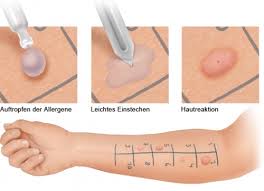
A skin test shows whether you are allergic to common allergens such as pollen, house dust mites and animals. The specialist applies a special test fluid containing an allergen onto or under the skin. After fifteen to twenty minutes, the specialist checks for any swelling or redness. If this happens, you are allergic to that substance.
Blood test (RAST test)
You undergo a RAST test if skin tests are not possible or not conclusive. The RAST test is, for example, used for a cow's milk allergy. Your GP takes a blood sample and sends it to the (hospital) laboratory. The lab technician adds the allergens you are probably allergic to. They also add a radioactive substance to the blood. This allows the lab technician to determine how strong the allergic reaction is.
Patch test
With a patch test, the specialist checks whether you have a contact allergy. This means that certain substances you regularly come into contact with cause an allergic skin reaction. During a patch test, the specialist sticks different allergens onto your arms or upper back. At a second and third appointment, the specialist removes the patches and examines the skin. While the patch test is ongoing, you must not shower, take a bath, swim or sweat excessively.

Provocation test
With a provocation test, you first avoid the allergen for a number of weeks. This is called the elimination phase. After that you move on to provocation. You then deliberately use the allergen to trigger an allergic reaction. A provocation test is suitable for allergies to medicines or food. It can be carried out either by your GP or in hospital.
Complications/side effects of an allergy test
An allergy test involves little risk. There is a small chance that the reaction to the patch test is so intense that the doctor cannot read the results properly. You may also develop an allergic reaction after a skin test, such as shortness of breath or itching. In that case, you will be given medication to stop the allergic reaction.
Recovery after an allergy test
After an allergy test you can resume all your normal activities. You do not need to rest. Any redness and swelling on your back or arms are harmless and do not get in the way of your daily life. After a skin test you stay in the waiting room for half an hour. This way, any symptoms become clear and the specialist can give you medication.
Do you want to buy an allergy test for home use? On the website of Viper Medical you can find more information and order the product.
Write a reply
Related Posts
Stripchat complete guide 2026 – the ultimate handbook for new users, reviews, tips, safety & costs
1. What is Stripchat? Stripchat is an international live entertainment platform focused on interact ...
What’s the difference between the Dyson V8, Dyson V10 and Dyson V11 cordless vacuum?
Dyson has long been the king of the cordless vacuum cleaner, really ever since the DC16 was launched ...
Top 10 best vacuum cleaners of 2024
Everyone needs a vacuum cleaner at home, whether you live in a big or small place. A vacuum cleaner ...

Gardena Sileno models: City, Life and Sileno+ differences
Gardena was founded in 1961 in Ulm (Germany) and is part of Husqvarna Group. Since then, the brand h ...